- FREE Shipping over $65 | Quality Guaranteed
1300 0888 54 Proudly Australian
Wedding Table Numbers
-
-
-
-
-
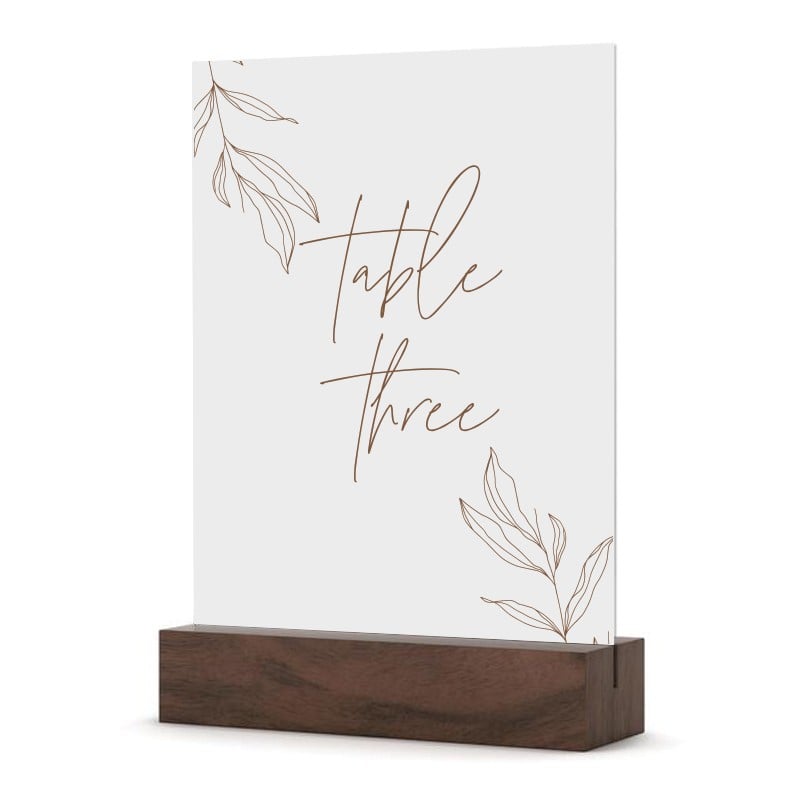
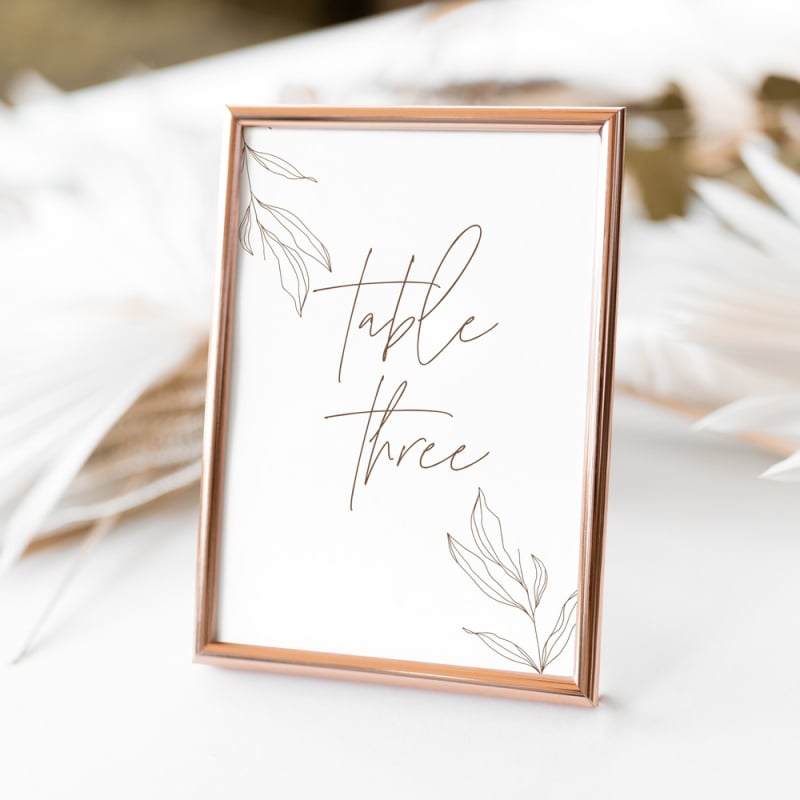
Minimalist Table Numbers
$2.50 -
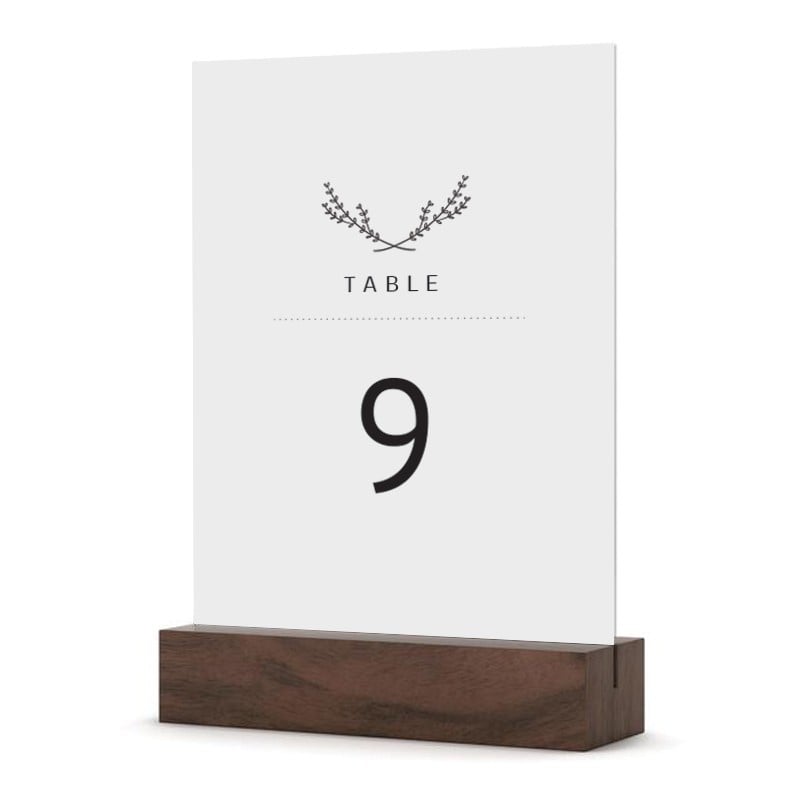
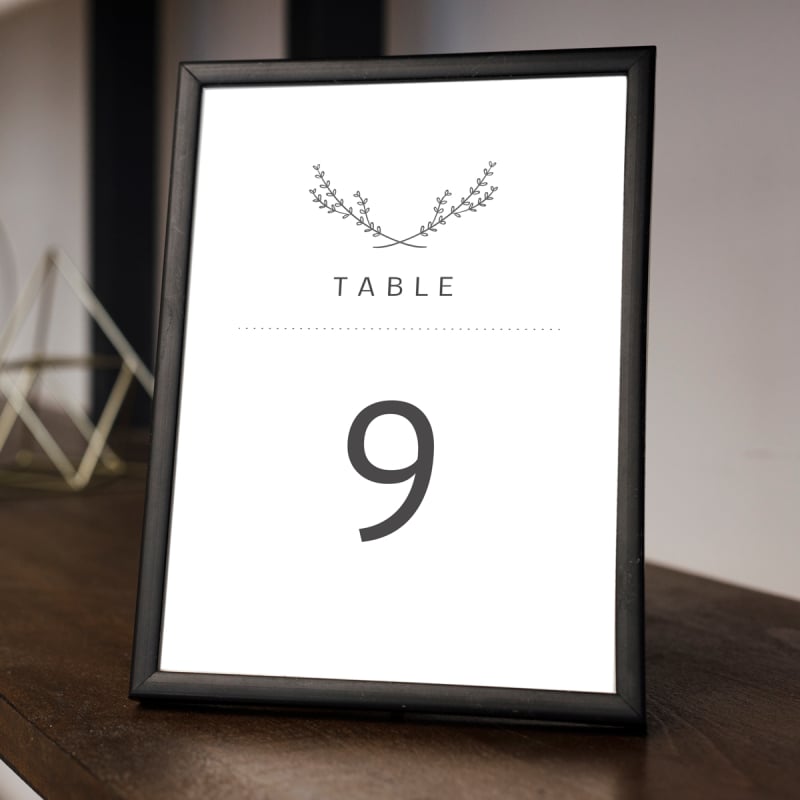
-
-
-
-
-
-
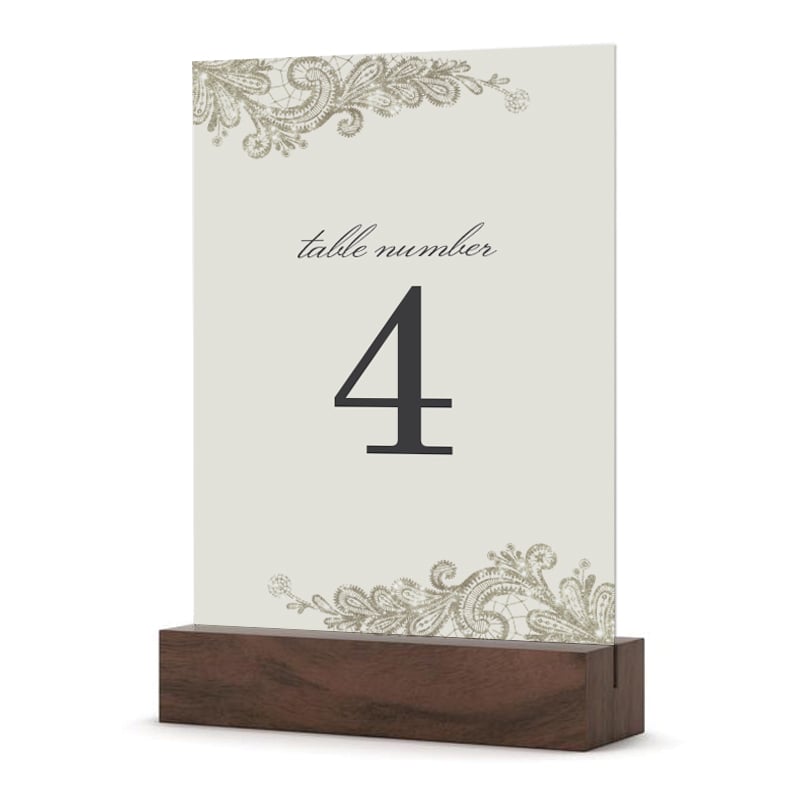
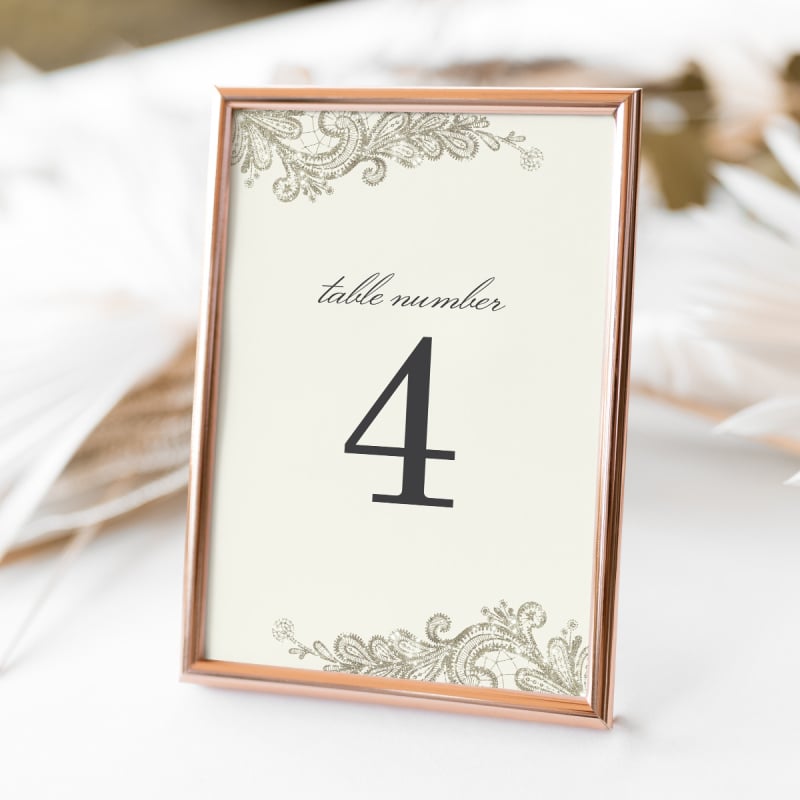
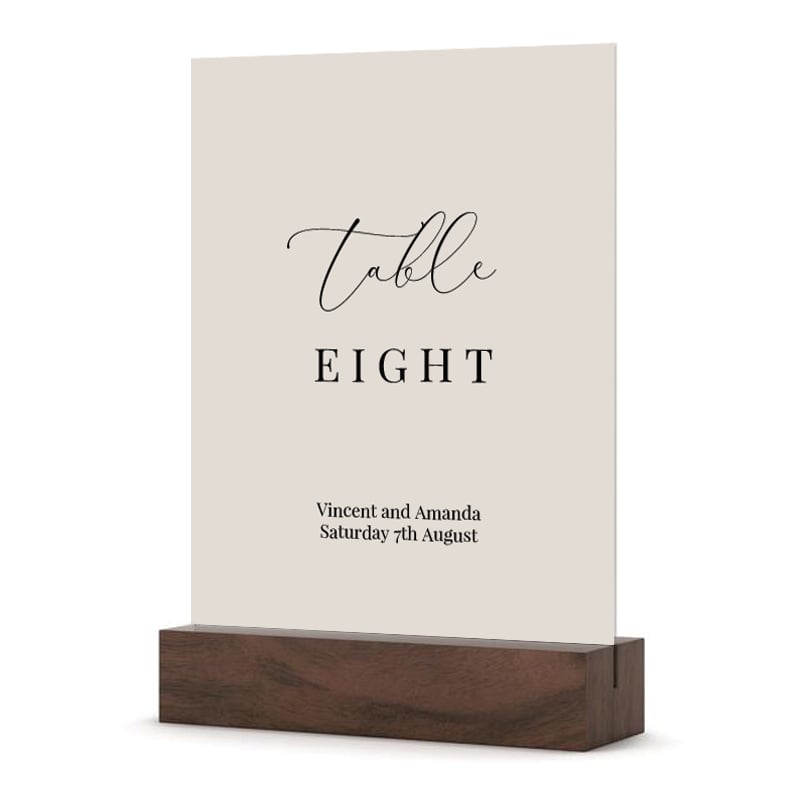
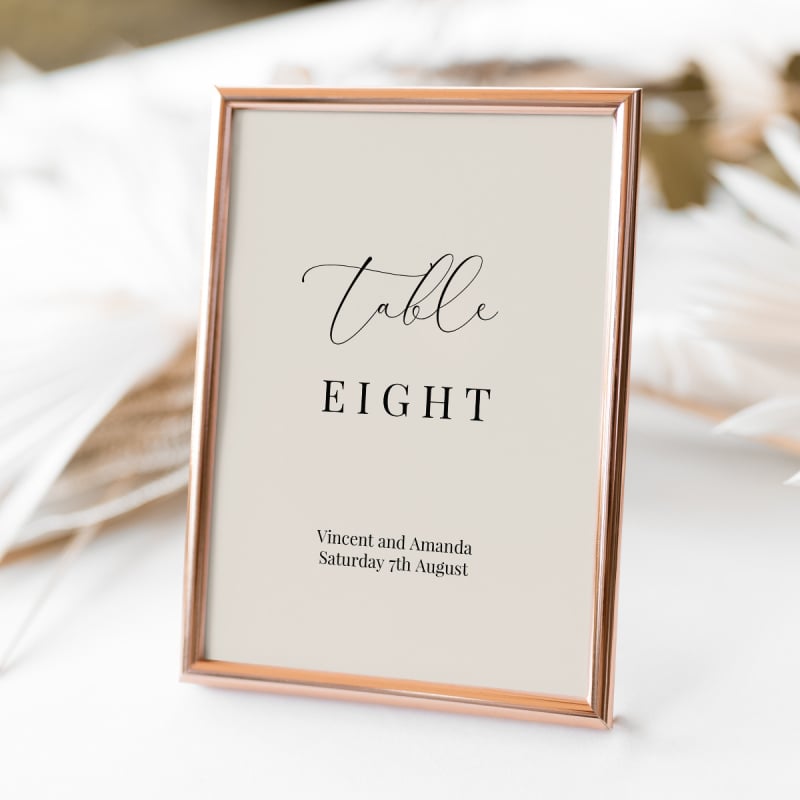
Graceful Table Numbers
$2.50 -
-
-
-
-
-
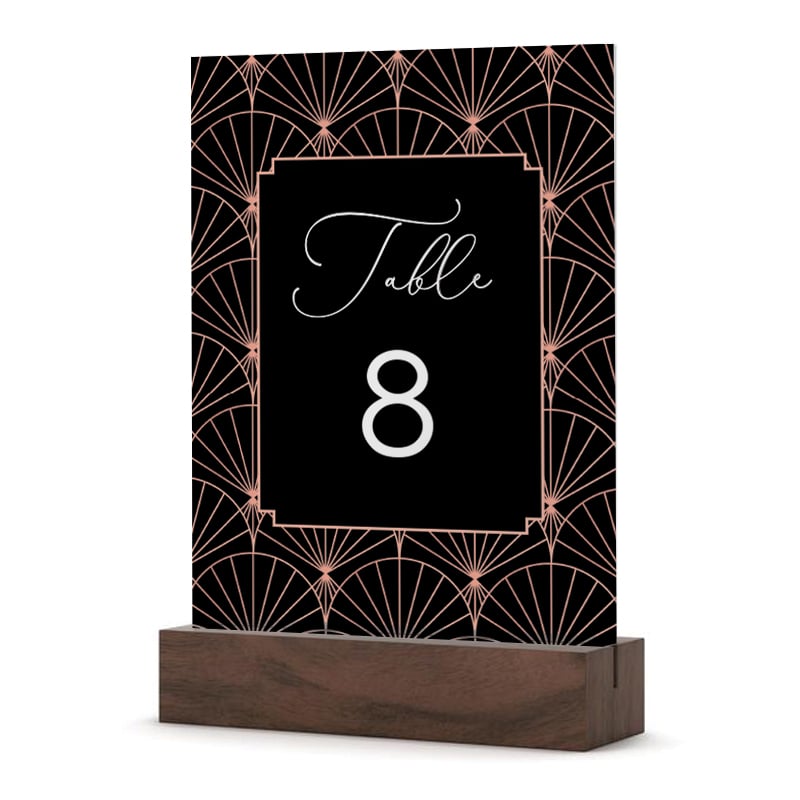
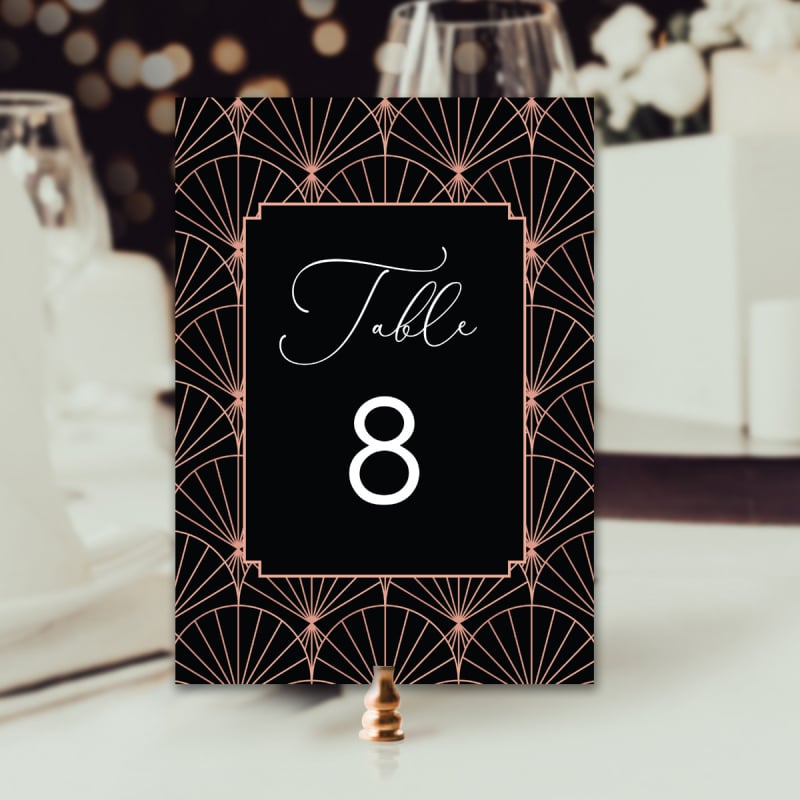
Deco Fans Table Numbers
$2.50 -

-
-
-
 New
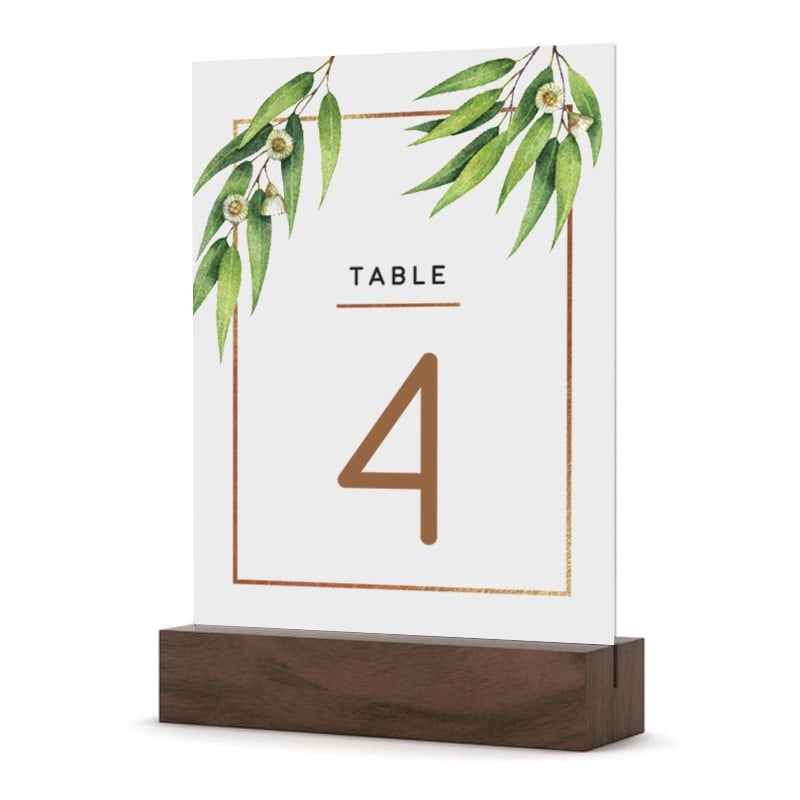
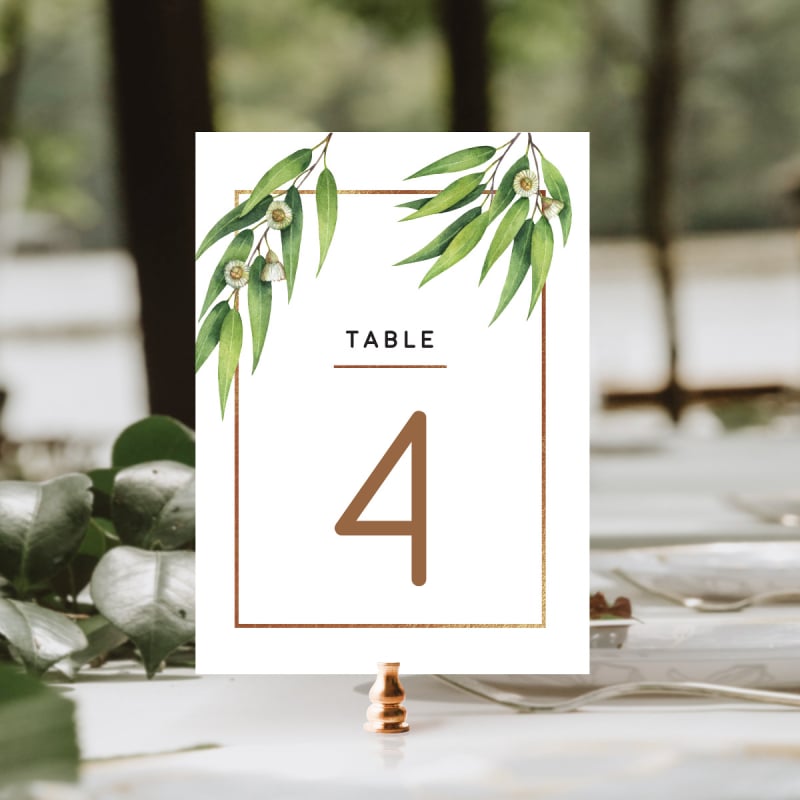
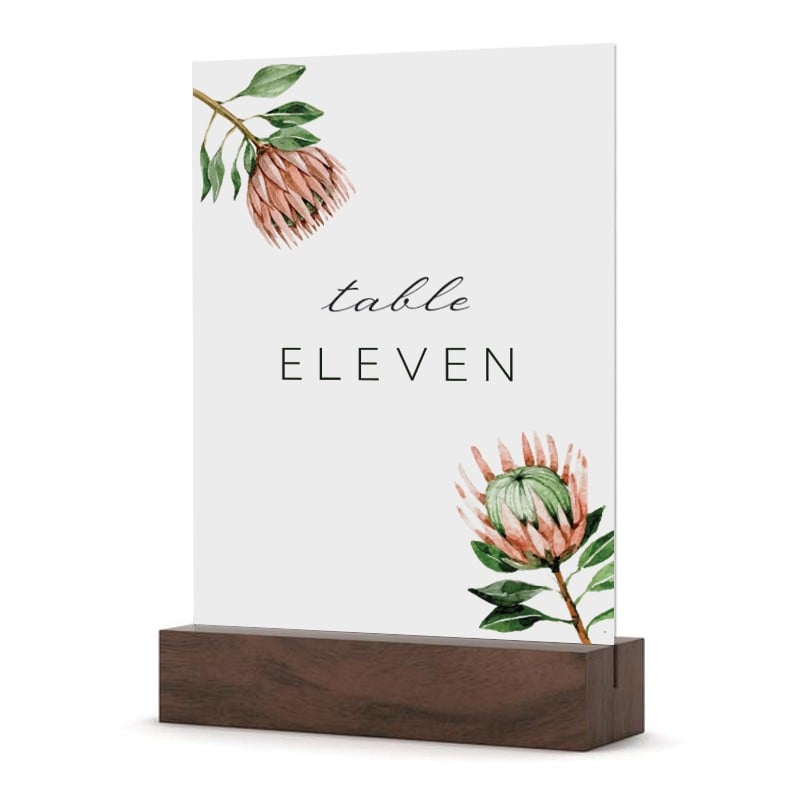
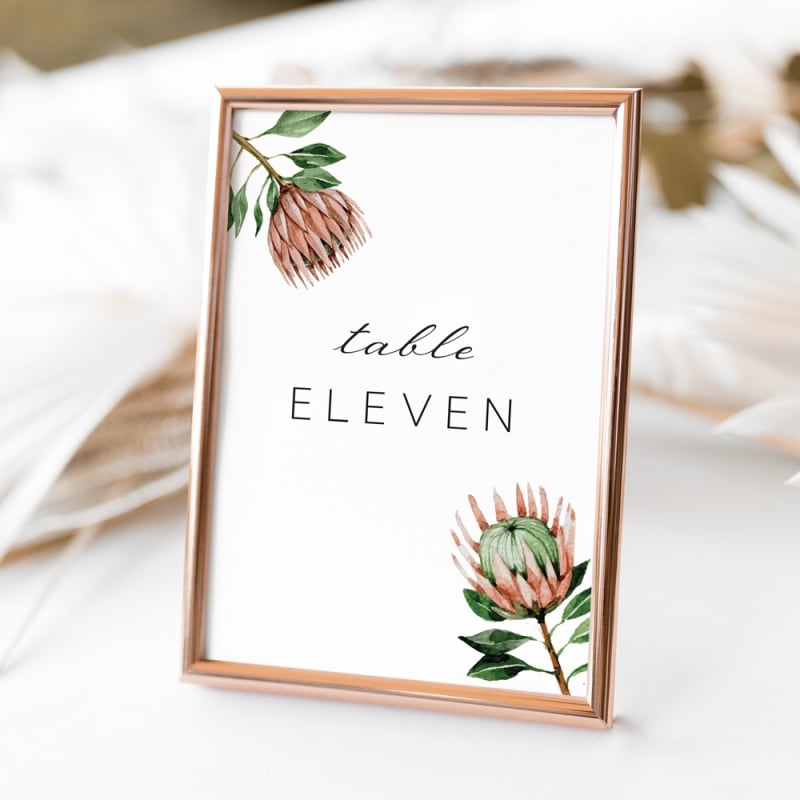
Table numbers do one job, and they do it from across the room. A guest who has just found their name on the seating chart should be able to spot their table without walking a lap of the room, and that is the whole test of a good table number.
Each card prints with its own number, so a set of ten arrives as one to ten and a set of twenty-five as one to twenty-five. There is nothing to count out when the box lands.
Why choose custom table numbers?
A number bought off the shelf is just a number. It sits on the table for the whole reception, turns up in the background of every photograph taken at that table, and says nothing about the couple whose day it is. Custom wedding table numbers do the opposite: they carry the same design as the invitation that brought everyone here, the menu they are about to read and the place card with their name on it.
That is the difference between a room that looks assembled and a room that looks considered — and it is the cheapest way to buy it. You will have spent months on the venue, the flowers and the seating plan. The tables are the part of the room your guests sit and look at for four hours straight, and matching them to the rest of your stationery costs a few dollars across the entire reception. Nothing else on the table gives you that much for so little.
It matters most in the photographs. Long after the day, the detail shots are the ones that show what the whole thing looked like, and a table number that matches your stationery is the small detail that makes those shots look styled rather than accidental.
How do you number tables at a wedding?
Number them straight through from one, starting at the table nearest the top table and working outwards, so the order matches the way guests walk into the room. One card per table is all it takes — the only real decision is whether the longer tables want two, since a banquet table with twenty people down it can hide a single card from the far end. Round tables never need more than one.
Numbers beat table names if you want people seated quickly. Names are lovely, and plenty of couples use them, but a guest scanning for "Table 9" finds it faster than one hunting for "Sorrento" among fifteen other places they have never been.
If you are ordering a seating chart as well, do both together and check the table count twice — the chart and the tables have to agree exactly, and they are usually written weeks apart.
How do you stand table numbers up?
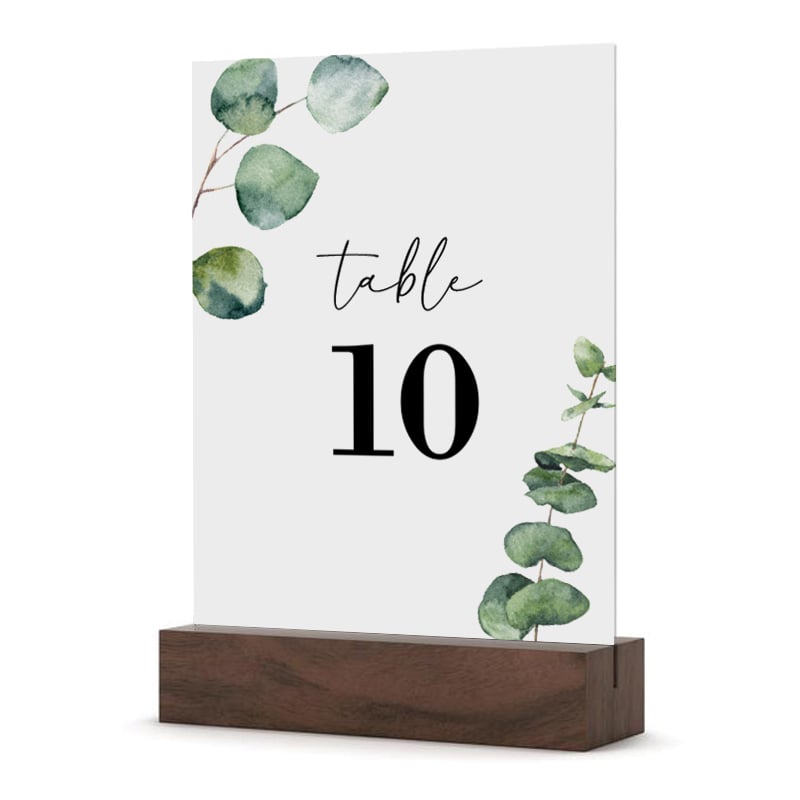
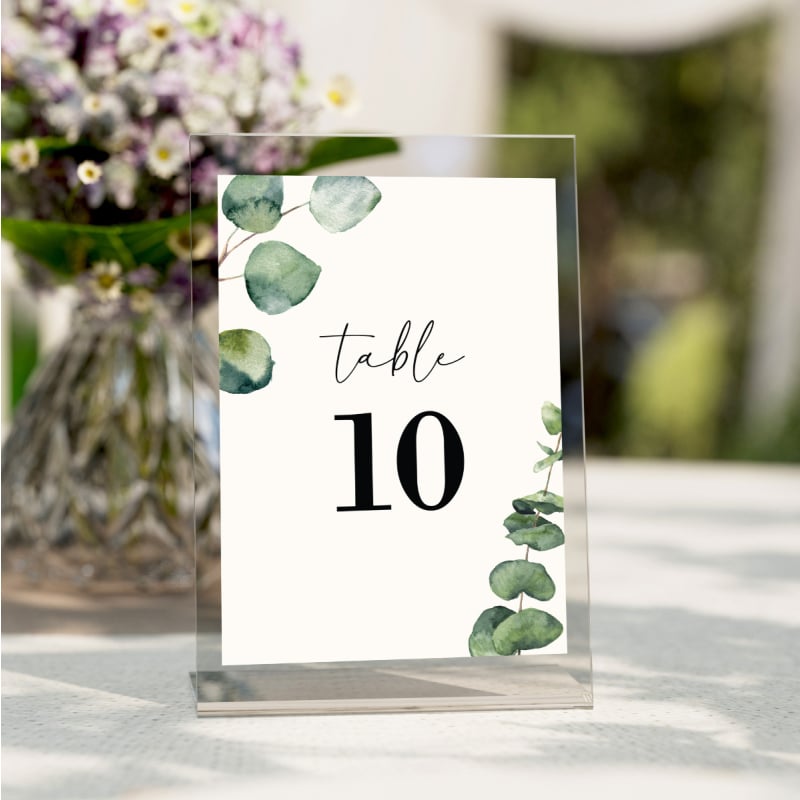
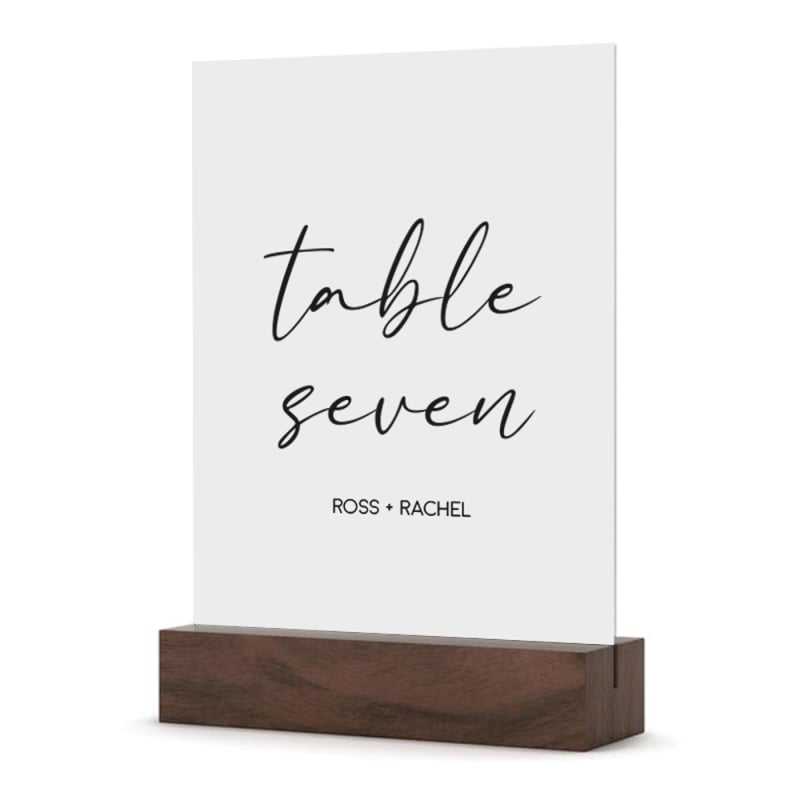
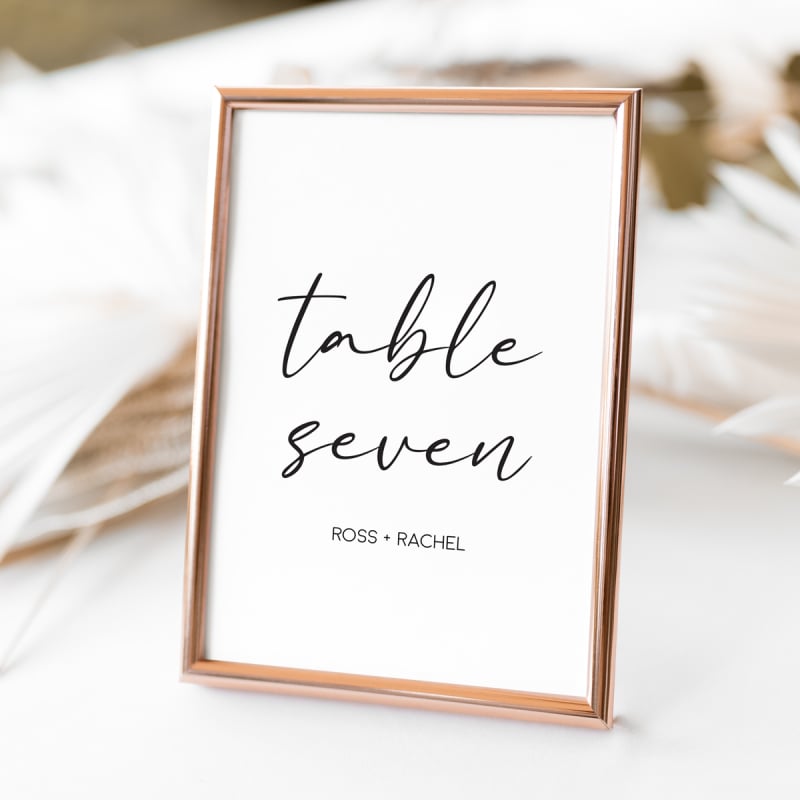
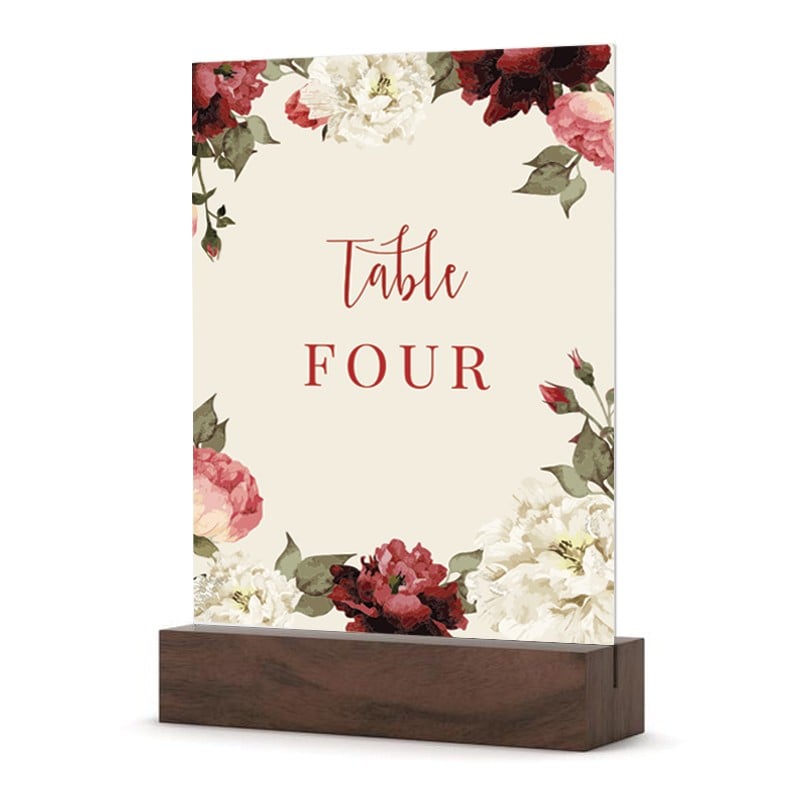
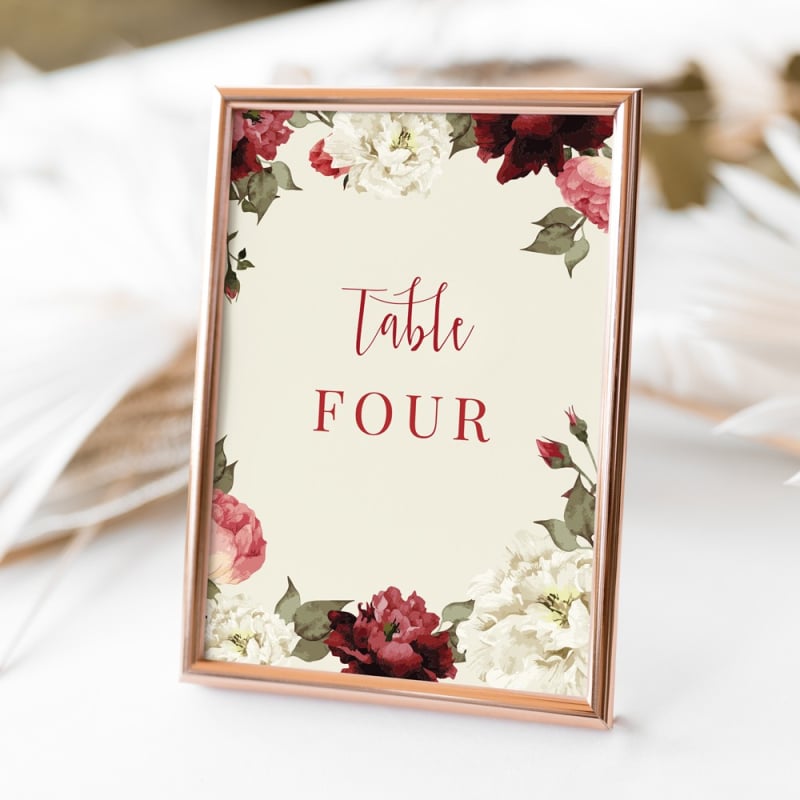
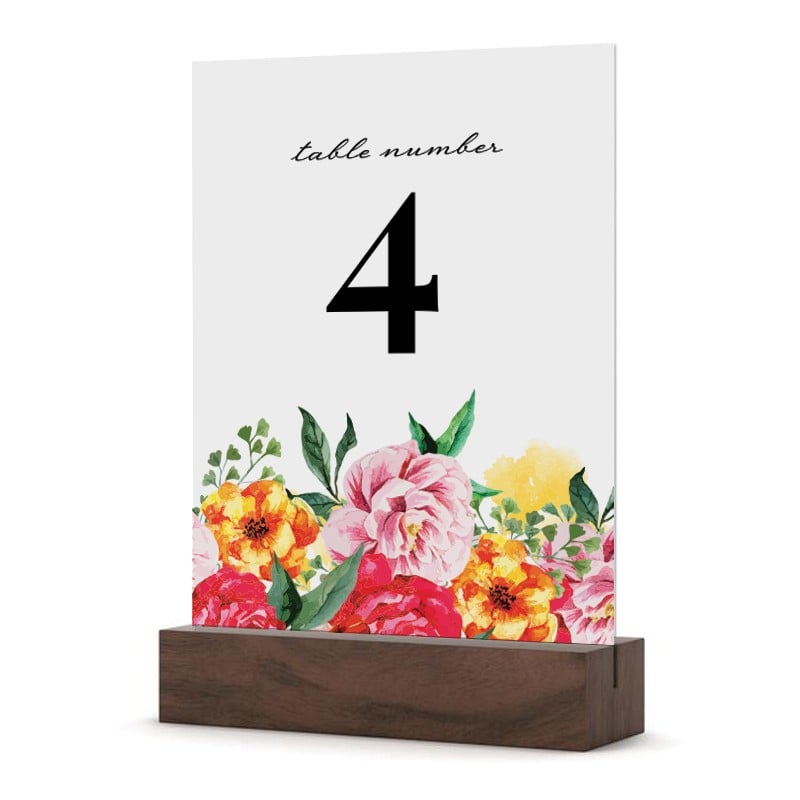
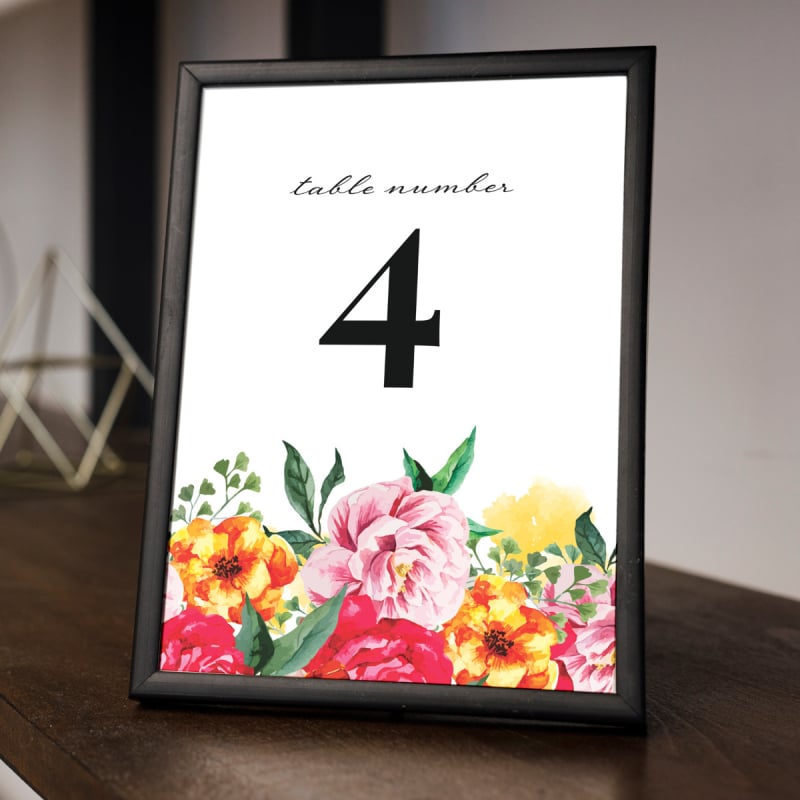
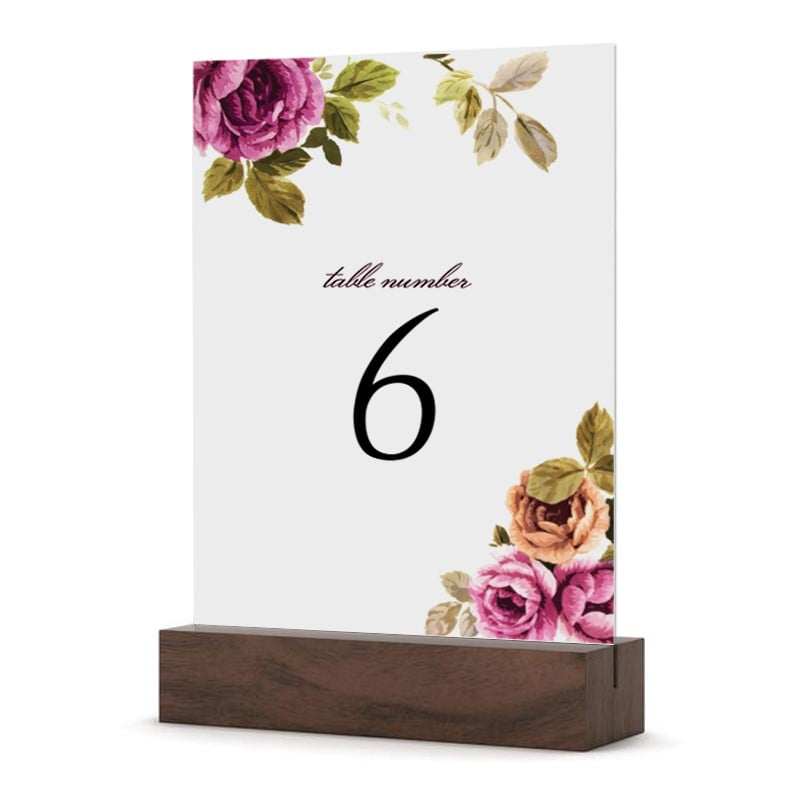
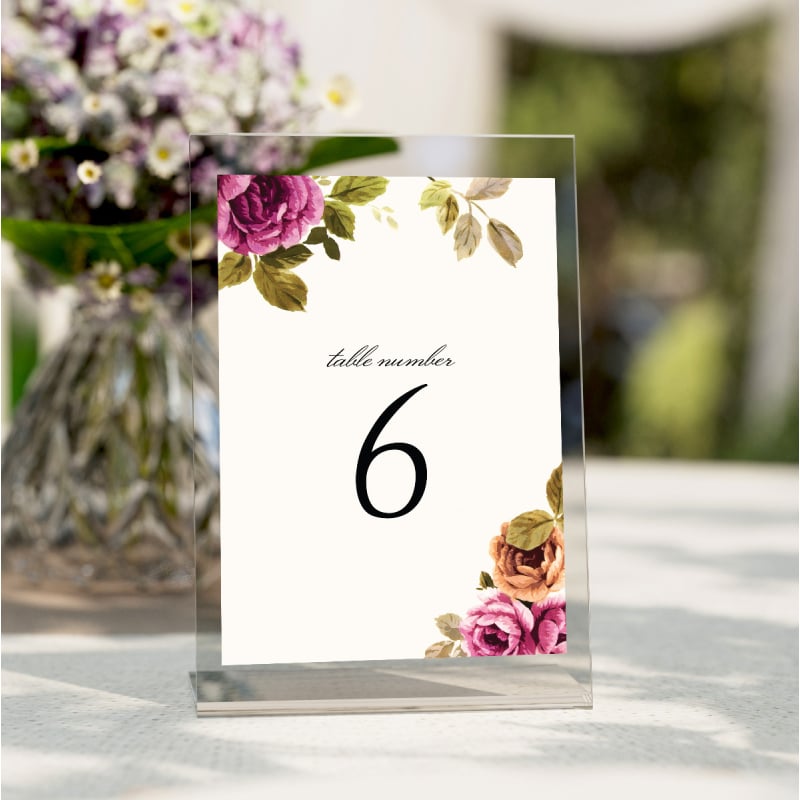
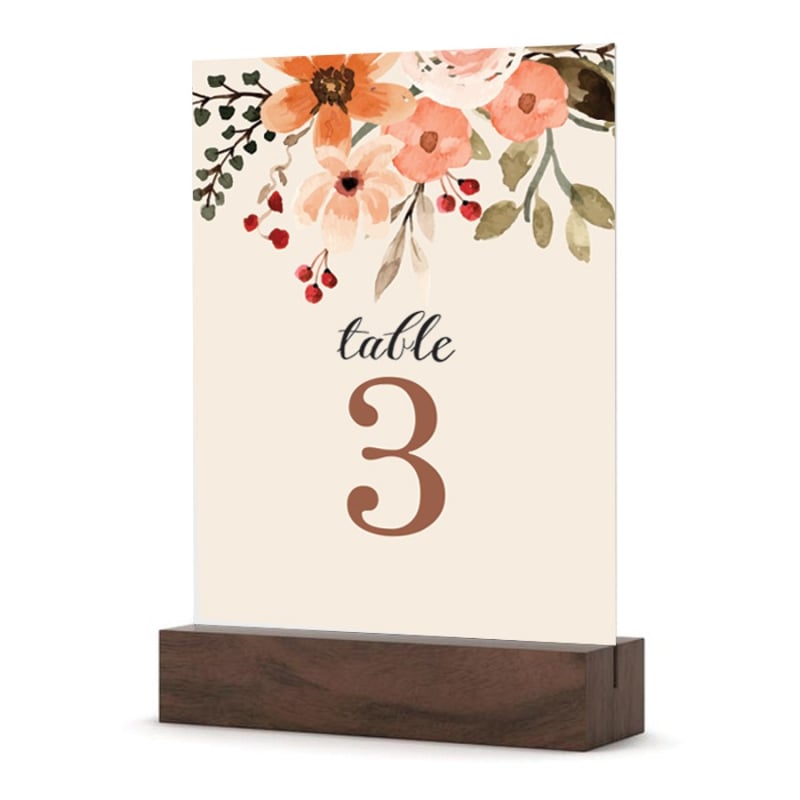
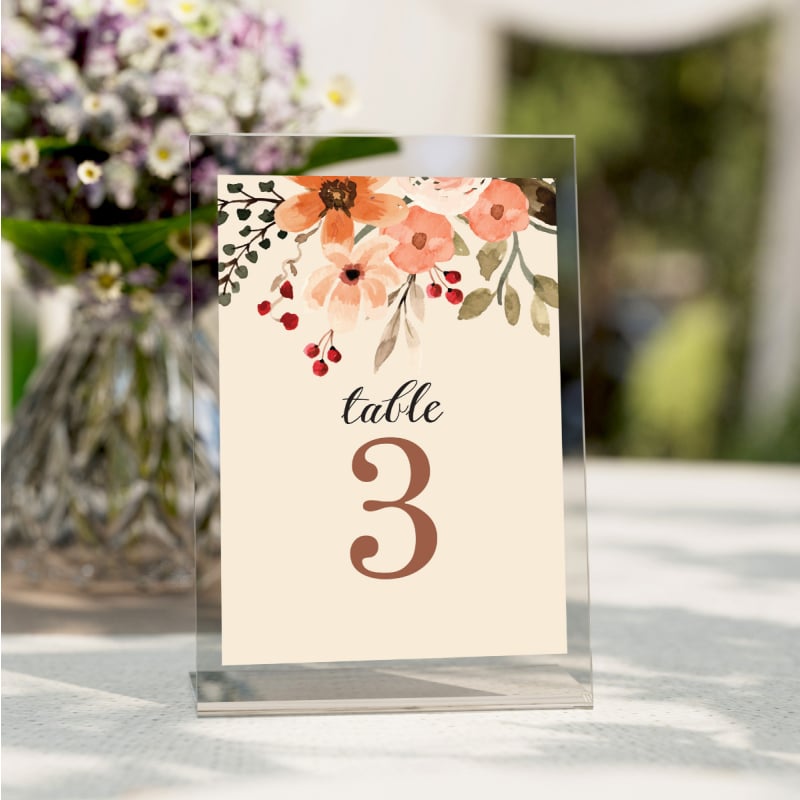
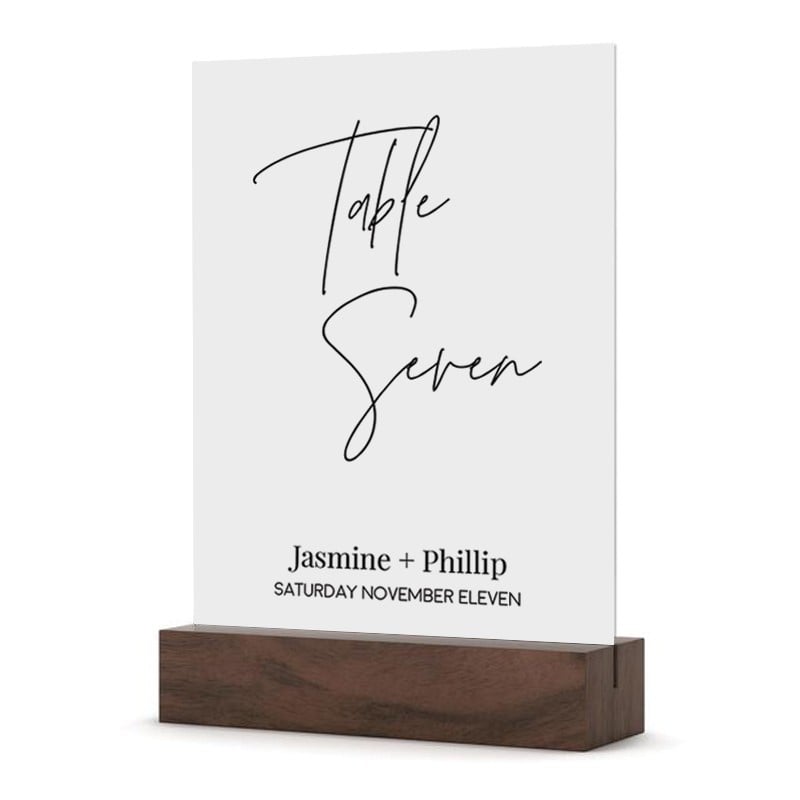
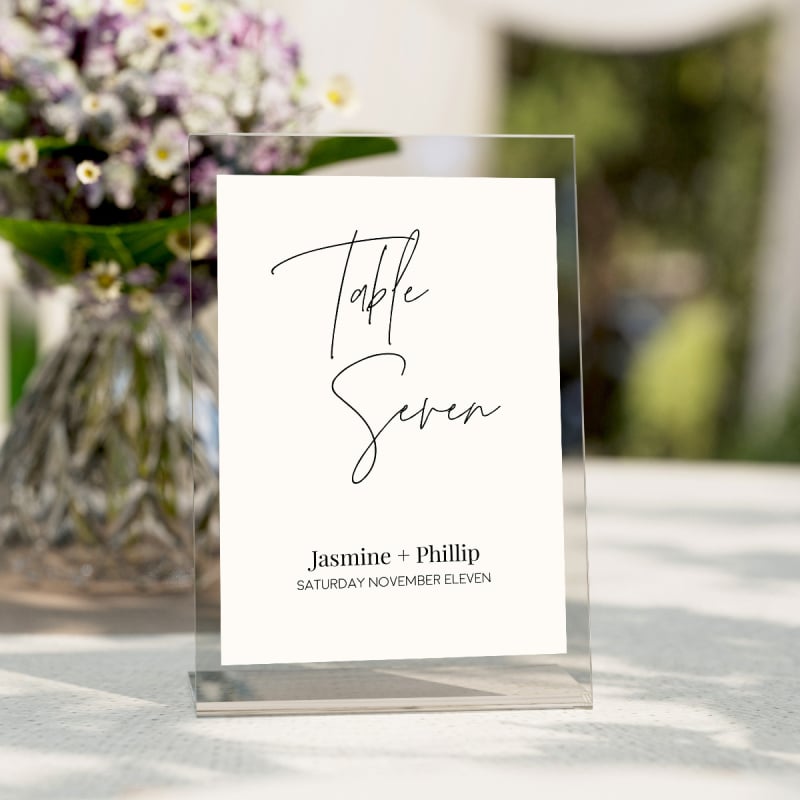
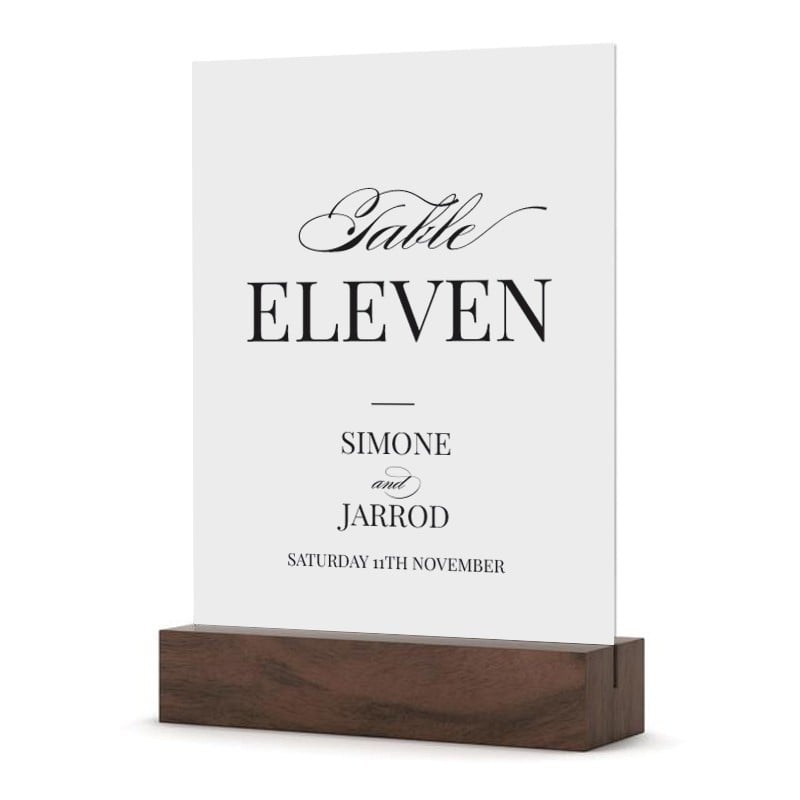
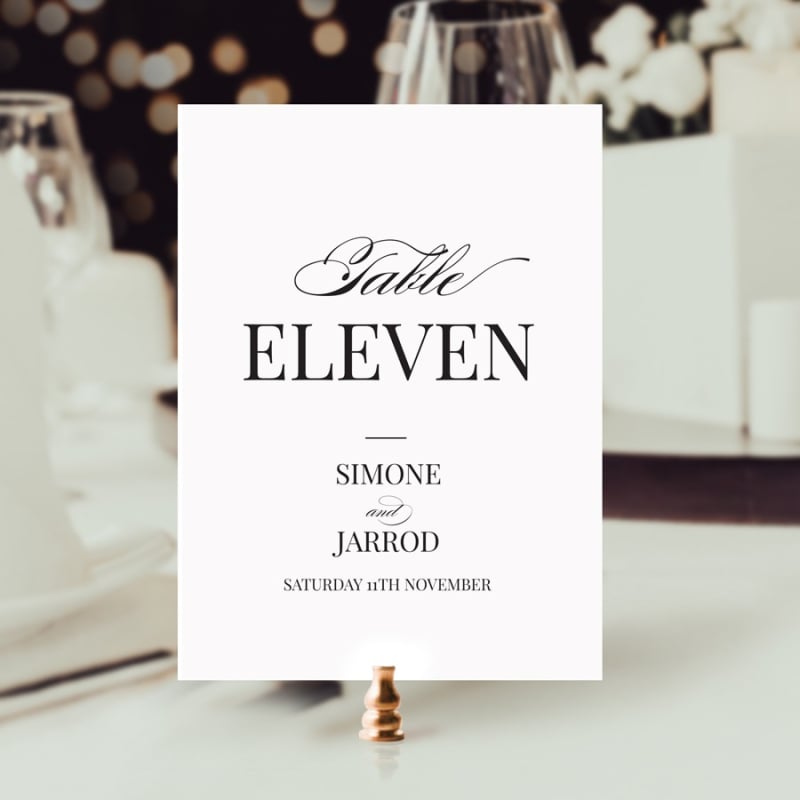
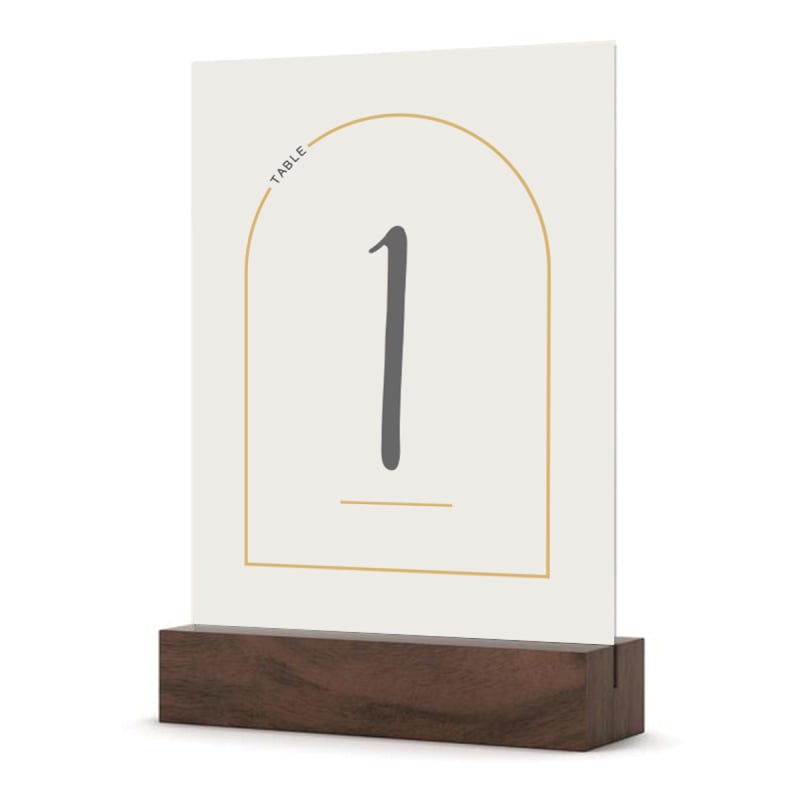
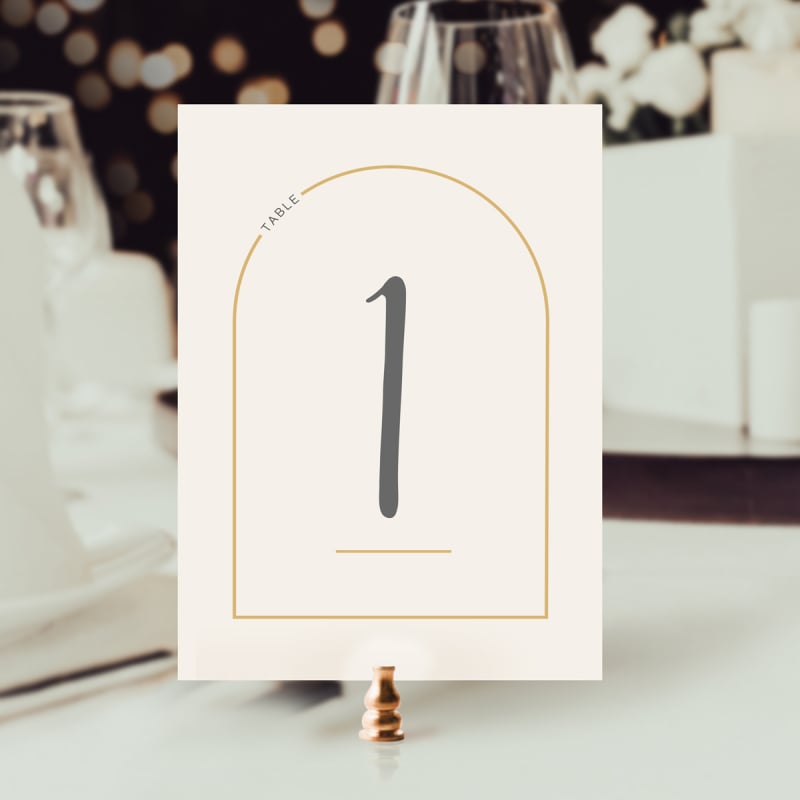
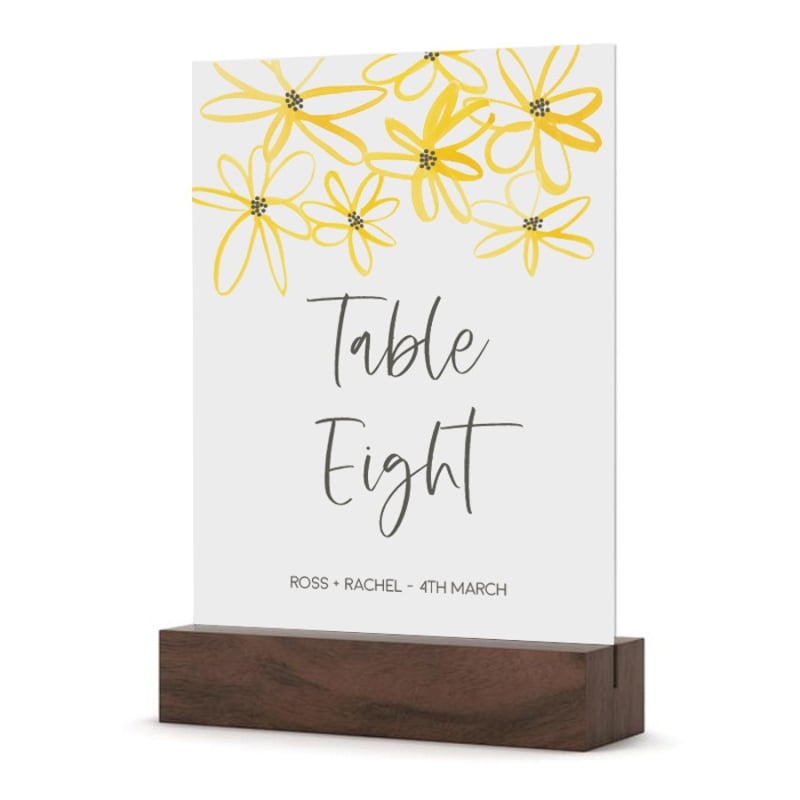
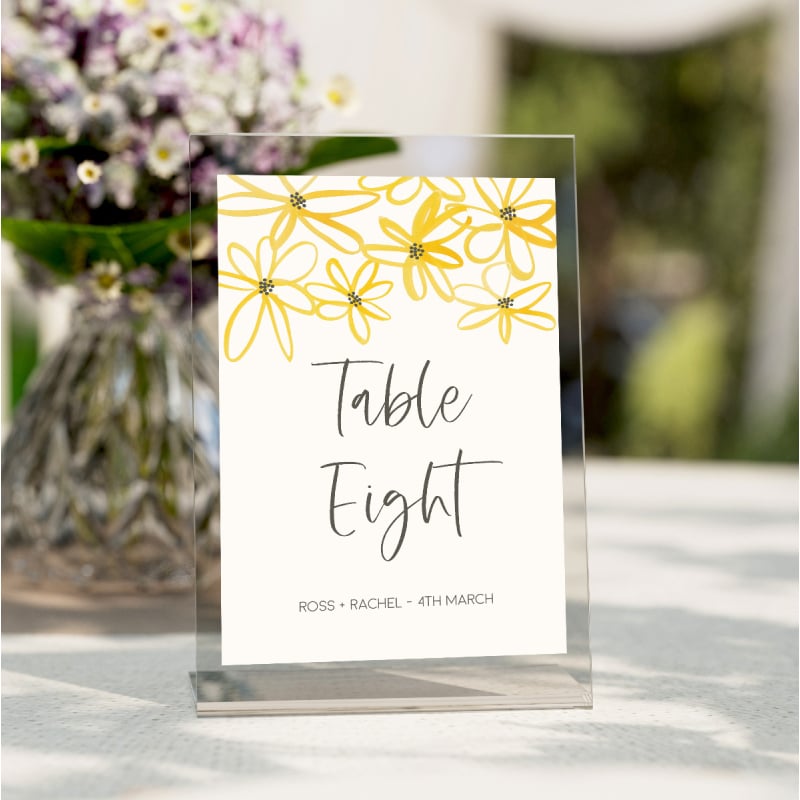
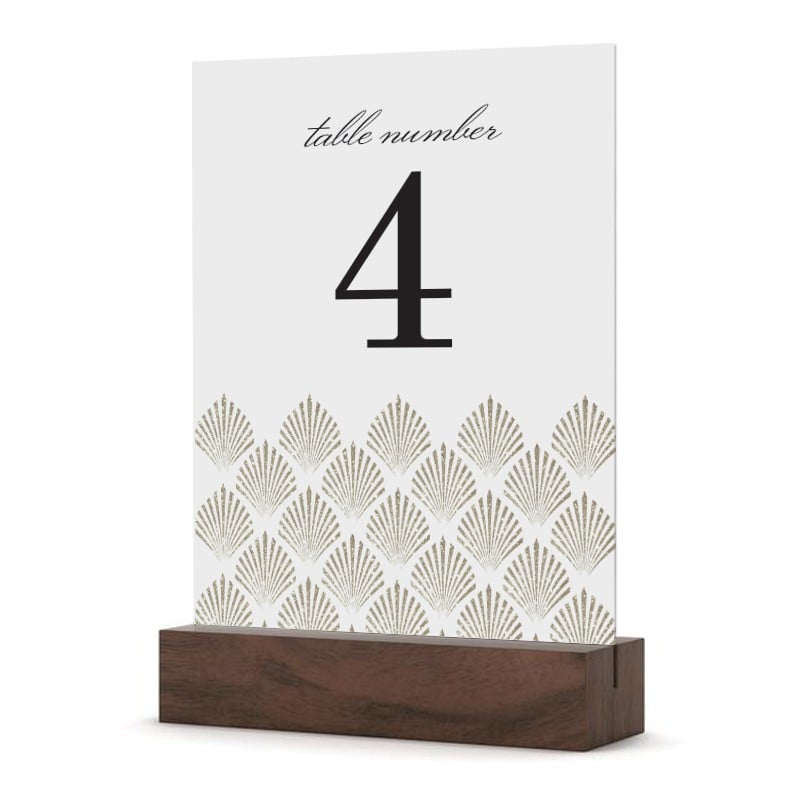
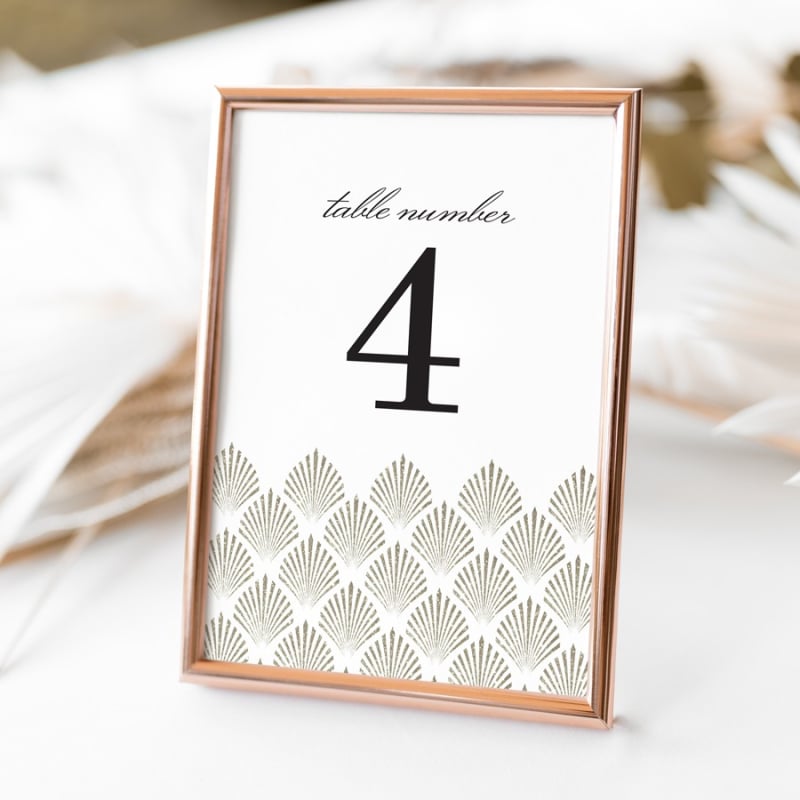
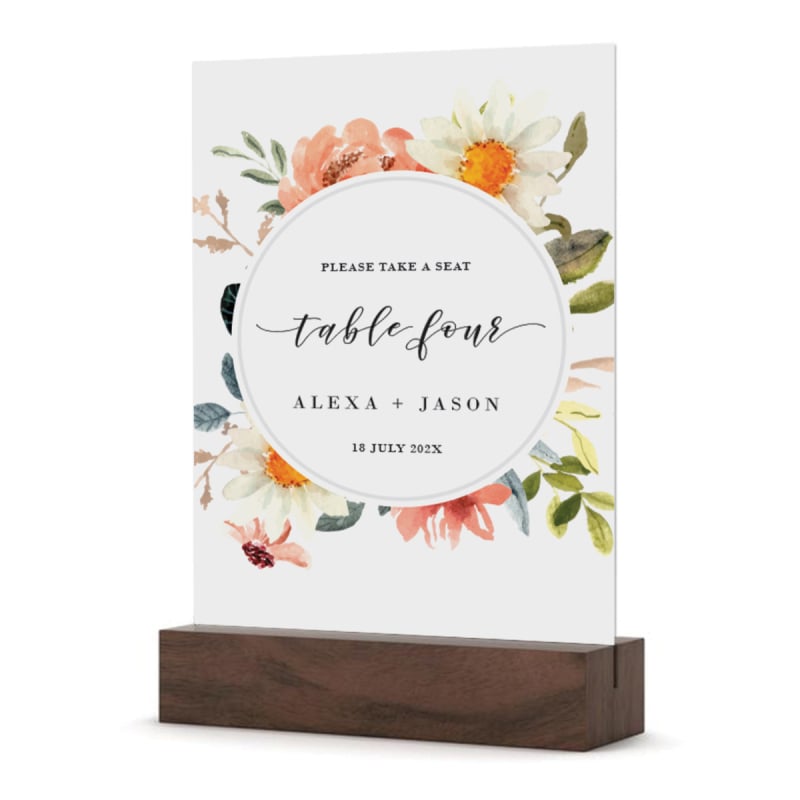
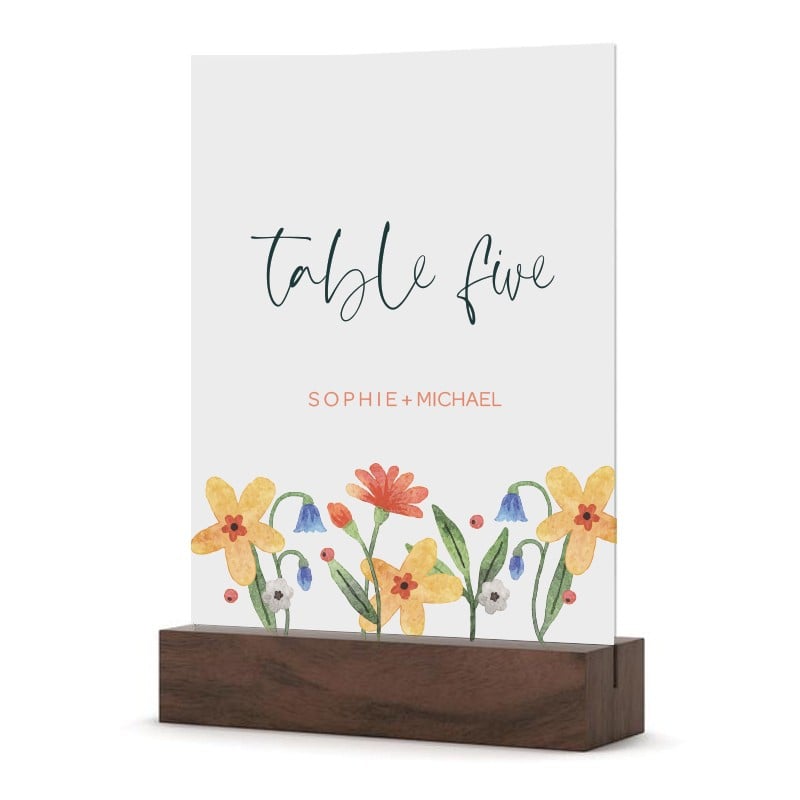
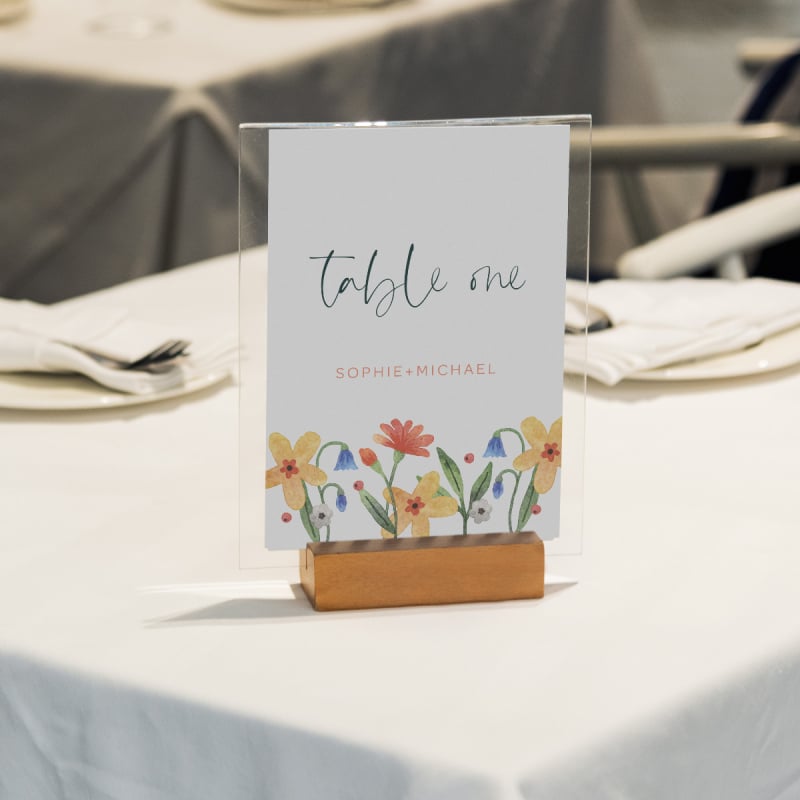
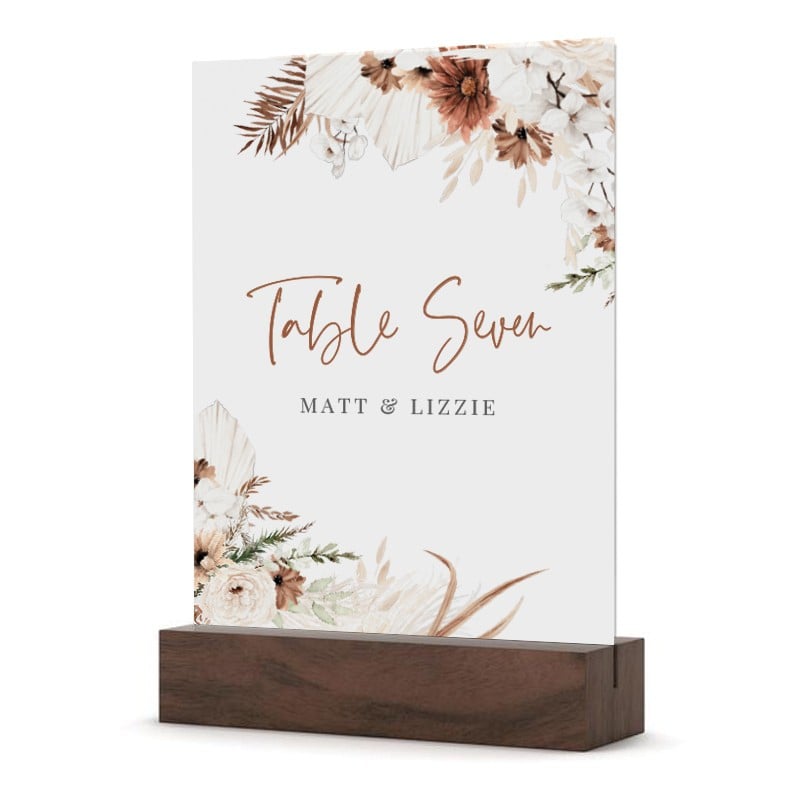
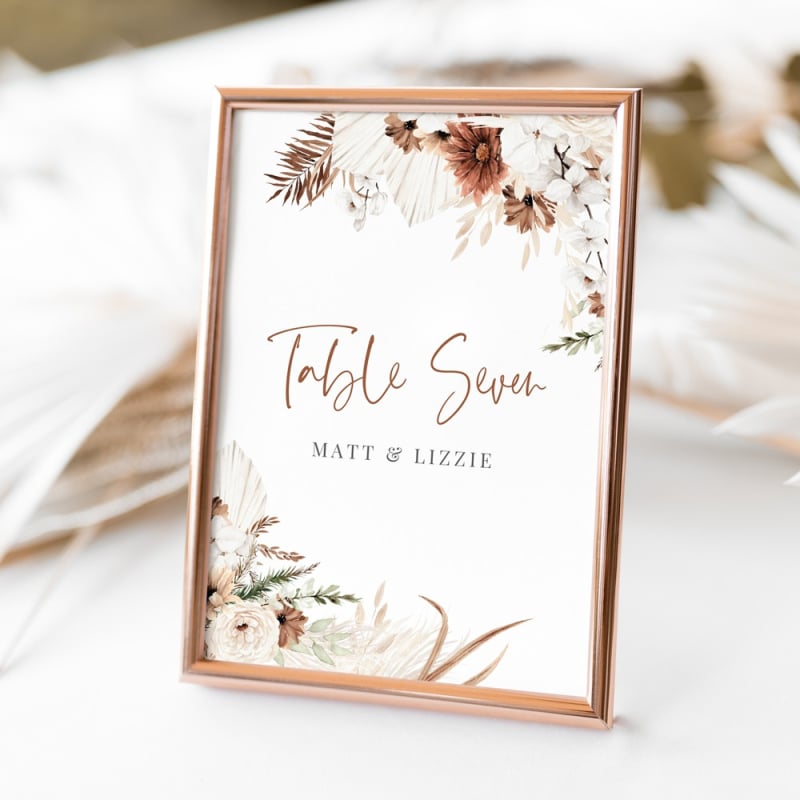
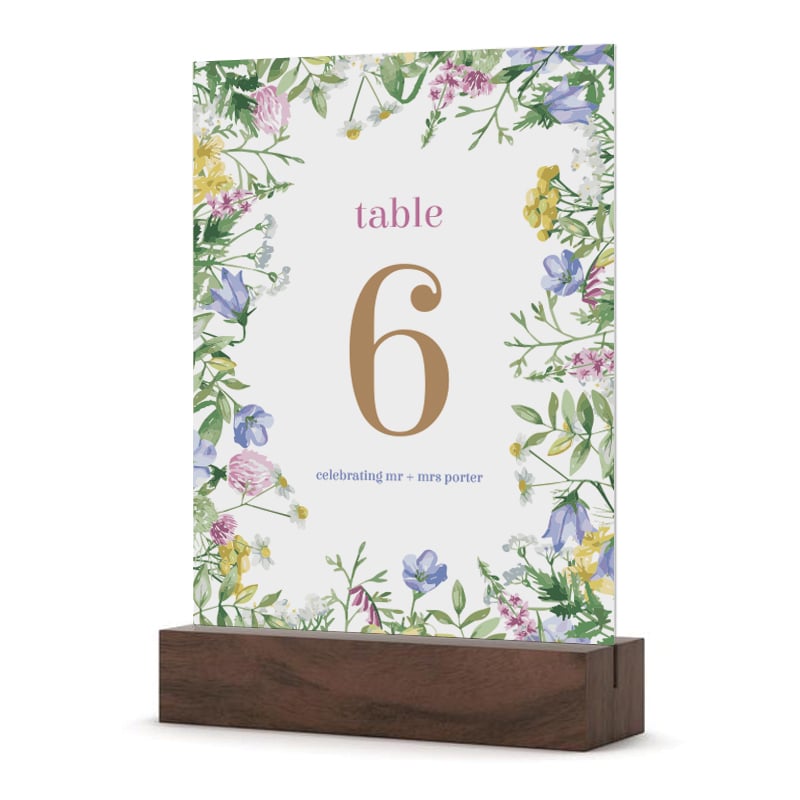
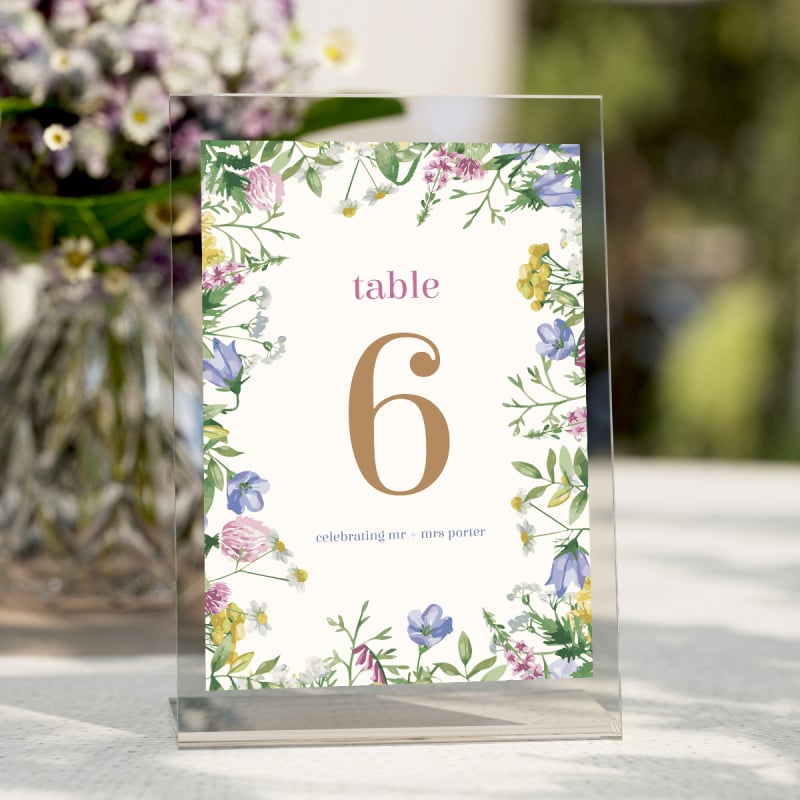
Your numbers arrive as printed cards, so how they stand is yours to choose. Most couples use a small acrylic holder or clip stand, lean the card against the centrepiece, or use whatever the venue already has — you can be as creative as you like. The stands and frames in the photographs are there to show a card in place rather than as part of the order.
Designed as a set, checked before it prints
Nearly every design here belongs to a range that also covers invitations, menus and place cards, so ordering the set is a matter of picking the same range twice rather than trying to match two suppliers. The wording is easy to edit online, our in-house graphic designers at Paper Divas check every card before it goes to press, and it prints onto thick, premium cardstock in-house here in Currumbin, Australia — the quickest wedding stationery printing in the country. We are proud to be Australia’s #1 Wedding Invitation printer with glowing 5 star reviews over 15 years.
Finish the setting with wedding place cards and wedding menus, or send guests to the right seat with a wedding seating chart.